
Debunking Myths About Live-In Care: What You Need to Know
HI
Understanding Live-In Care
Live-in care is an increasingly popular option for families seeking alternatives to traditional nursing homes. However, several myths persist about this type of care. Understanding these misconceptions can help families make informed decisions about their loved ones' well-being.

Myth 1: Live-In Care Is Too Expensive
Many people assume that live-in care is prohibitively expensive compared to other forms of care. While it’s true that costs can vary, live-in care often proves more affordable than nursing homes, especially when considering the personalized attention and comfort it provides.
Additionally, there are various funding options available, such as long-term care insurance and veterans' benefits, which can significantly offset costs.
Myth 2: It’s Only for the Elderly
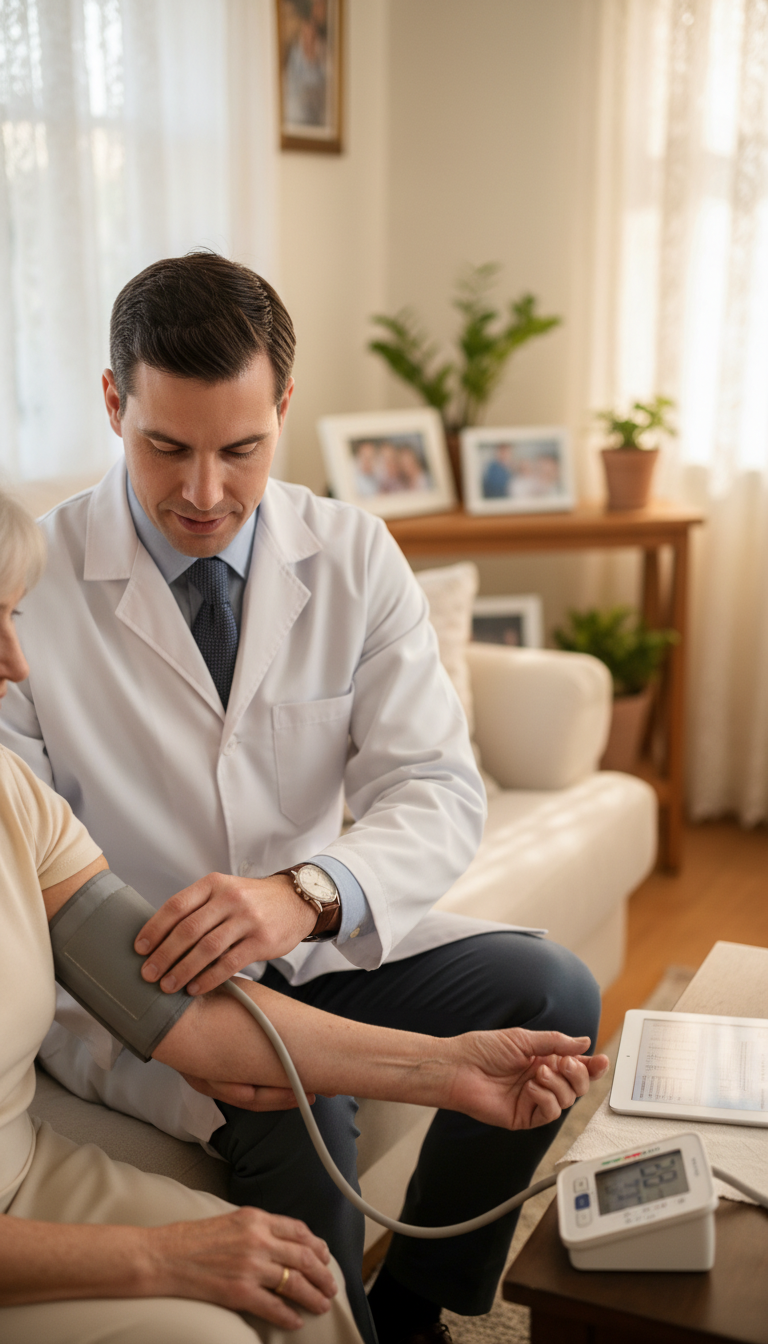
Another common misconception is that live-in care is solely for elderly individuals. In reality, live-in care can benefit anyone needing assistance, including those recovering from surgery, individuals with disabilities, and people with chronic illnesses.
The Benefits of Live-In Care
Understanding the advantages of live-in care can further dispel myths and highlight why it may be the right choice for your loved one.
Personalized Care
One of the most significant benefits of live-in care is the personalized attention it offers. Caregivers can tailor their support to meet the unique needs and preferences of the individual, ensuring a higher quality of life.
- Customized care plans
- One-on-one attention
- Flexible scheduling
Comfort of Home
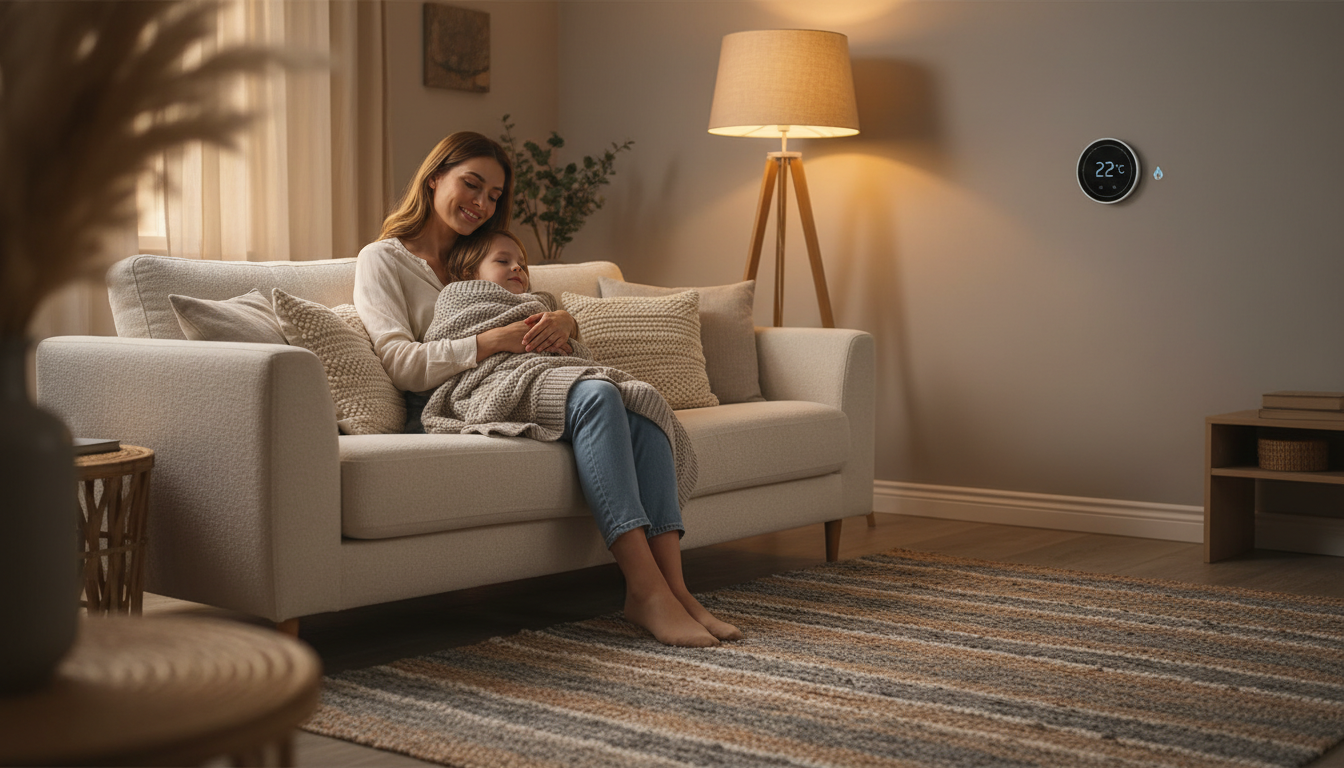
Live-in care allows individuals to remain in the comfort and familiarity of their own homes. This setting can be critical for mental and emotional well-being, providing a sense of security and continuity.
Debunking Common Concerns
Aside from cost and demographic myths, there are other worries people have about live-in care that are based on misunderstandings.
Myth 3: Loss of Independence
Some believe that having a live-in caregiver may lead to a loss of independence. However, the opposite is often true. Caregivers support individuals in maintaining their independence by assisting with tasks they find challenging while encouraging autonomy.
Myth 4: Lack of Professionalism
There is a perception that live-in caregivers lack the professionalism of those in institutional settings. On the contrary, many live-in caregivers are highly trained professionals with certifications in various aspects of health care and personal assistance.
- CPR and first aid certification
- Training in dementia and Alzheimer’s care
- Experience in managing chronic conditions
Making the Right Choice
Choosing the right type of care for a loved one is a significant decision. By debunking these myths, families can better assess whether live-in care is the best solution for their needs.
Ultimately, the goal is to ensure the highest quality of life, and live-in care offers a flexible, personalized approach that can adapt to the ever-changing needs of individuals.