
Debunking Myths About Live-In Care: What You Need to Know
HI
Understanding Live-In Care
Live-in care is an increasingly popular choice for families seeking personalized assistance for their loved ones. Despite its growing popularity, several myths surround this type of care, often leading to misconceptions. This article aims to debunk these myths and provide a clearer understanding of what live-in care truly offers.

Myth 1: Live-In Care Is Too Expensive
One of the most common myths is that live-in care is prohibitively expensive. While it's true that live-in care represents a financial commitment, it can be more cost-effective than you might think. When compared to the combined costs of assisted living facilities and additional services, live-in care often proves to be more affordable. Additionally, the personalized attention provided can ensure better health and well-being, potentially reducing long-term medical costs.
Myth 2: Only the Elderly Benefit from Live-In Care
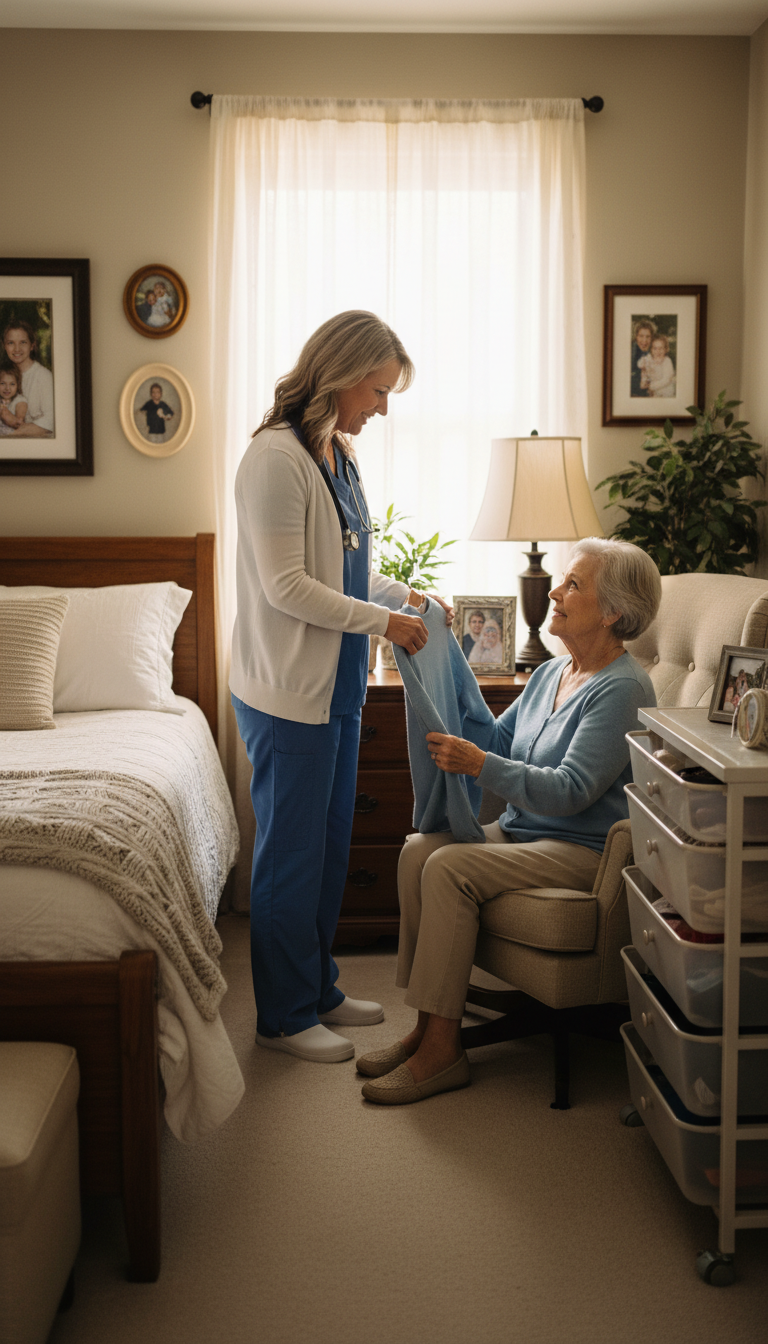
Another misconception is that live-in care is only suitable for the elderly. In reality, this type of care can benefit anyone who needs consistent support, including individuals recovering from surgery, those with disabilities, or people with chronic illnesses. The flexibility of live-in care allows it to be tailored to the specific needs of any age group.
The Benefits of Live-In Care
Live-in care offers numerous advantages that are often overlooked due to prevailing myths. Understanding these benefits can help families make more informed decisions about their loved one's care.
Benefit 1: Personalized Care
Unlike traditional care facilities, live-in care provides one-on-one attention, ensuring that the caregiver can focus entirely on the individual's needs. This personalized approach enhances the quality of care and allows for a better understanding of the patient’s preferences and routines.
Benefit 2: Comfort and Familiarity
Staying at home means maintaining a sense of comfort and familiarity, which can significantly improve one's quality of life. Familiar surroundings can be particularly beneficial for those with memory-related conditions, such as dementia, as they help reduce anxiety and promote emotional well-being.
Addressing Common Concerns
Despite the benefits, some concerns about live-in care remain. Addressing these concerns can help families feel more confident in their decision-making process.
Concern 1: Privacy Issues
Some families worry about privacy when considering live-in care. It’s essential to communicate openly with the caregiver about boundaries and privacy needs. Professional caregivers are trained to respect the individual's space and privacy, ensuring a harmonious living environment.
Concern 2: Compatibility with the Caregiver
Another potential concern is the compatibility between the individual and the caregiver. Reputable agencies take great care in matching caregivers with clients, considering personality, preferences, and specific needs to foster a positive relationship.
By debunking these myths and addressing common concerns, families can feel more confident in choosing live-in care as a viable, beneficial option for their loved ones.